
Family patterns that follow you · Denver and telehealth
Intergenerational Trauma & Family Patterns
The patterns you grew up inside don’t stay in the past. They show up in how you handle conflict, how you treat yourself, and what you pass on. Naming them, and changing them, is the work this practice was built around.
How it often shows up
Family patterns rarely announce themselves. More often they look like:
- The same argument with a parent, year after year, and a wave of guilt after every boundary.
- Being the responsible one, the peacemaker, or the one who never asks for anything.
- Achievement that feels like a condition of being loved, and rest that feels like failure.
- Emotions that are either turned all the way down or arrive all at once.
- Hearing a parent’s voice come out of your own mouth with your kids or your partner.
- Silence about the past: things that happened before you were born and are never discussed.
- Relationships that keep landing in the same place, no matter who you choose.
None of these mean something is wrong with you. They usually mean something was adaptive once and has outlived its usefulness.
Intergenerational Patterns
Relational patterns can be inherited just like other traits, such as eye color. Imagine an immigrant parent who didn't grow up in a strong family system. Perhaps they were raised in a traumatic environment: in the midst of war, separated from their own parents, in impoverished conditions, etc. With the resources and knowledge they had, they did their best to protect and care for you. However, some of the strategies they may have used, like guilt-tripping, criticism, or strict discipline, may have been shaped by their own survival experiences.
When it becomes your turn to parent, you may wish to be different but you may not know how. It's not enough to "want to be different." Instead, change requires the deliberate unlearning of what's been internalized—we’ll help you get there.
Family of Origin Dynamics
Sometimes, the key to understanding your current struggles lies in the past. The family you grew up with has a big impact on who you are today. Even those who grew up in “good and happy” homes often find that there are unique ways they have been impacted by family dynamics. It has to do with how those early experiences interact with your personality organization. For example, a shy and reserved individual may find that it is hard to assert themselves because they grew up in a large family with lots of competition and noise. Working through lingering family of origin issues can help you be the healthiest version of yourself—we’ll help you make sense of your family dynamics.
Common questions
What is intergenerational trauma?
Generational trauma refers to the psychological and emotional wounds passed down through families and communities after collective trauma. While these experiences may not have happened to us directly, they live in stories that were told—or never told—through silence, survival strategies, and nervous systems shaped by fear and loss. It can follow war, migration, poverty, or loss. It can also come from ordinary families where certain feelings were simply never allowed.
Is this only for immigrant families?
No. Every family hands something down. Many of our clients grew up between cultures, and we are especially at home with that, but the work is for anyone who can see a pattern they didn’t choose.
Do I have to involve my parents?
No. This is individual therapy. Some people later choose to change how they relate to their family, and that is their decision, made when they are ready.
Is intergenerational trauma the same as PTSD?
Not necessarily. PTSD is a specific diagnosis that follows a traumatic event you experienced or witnessed. Intergenerational trauma is about what was handed down: the patterns, fears, and rules a family formed under stress. The two can overlap, and we work with both.
Can therapy help if my parents will never change?
Yes. The work is about you: what you carry, what you repeat, and what you want to keep. Your family doesn’t have to participate, or even agree that there is a pattern, for you to change how you relate to it.
I’m a parent. Can I break the cycle?
This is some of the most meaningful work we do. Wanting to be different from your parents is the start. The deliberate unlearning comes next, and it is easier with someone alongside you. See also our work with parents.
What does the work look like?
We start underneath the symptom. Together we look at the patterns you’ve carried from your past into your present, the stories you tell about yourself, and the cultural dynamics that shaped both. Then we gently untangle and reweave the parts of your identity and experience that have been frayed by pain, shame, or trauma, so what’s left is a stronger, more durable sense of who you are.
Depending on what fits you, our clinicians draw on psychodynamic therapy, dialectical behavior therapy (DBT), cognitive behavior therapy (CBT), narrative and parts work, and attachment-based approaches.
If growing up between cultures is part of this for you, see our page on Asian American and bicultural therapy. If you have tried therapy before and it stalled, read When Therapy Hits a Wall.
Who does this work
-

Amy King, PsyD
Founder + Psychologist
She specializes in issues related to identity development, family conflict, intergenerational trauma, and cultural dissonance.
Read bio → -
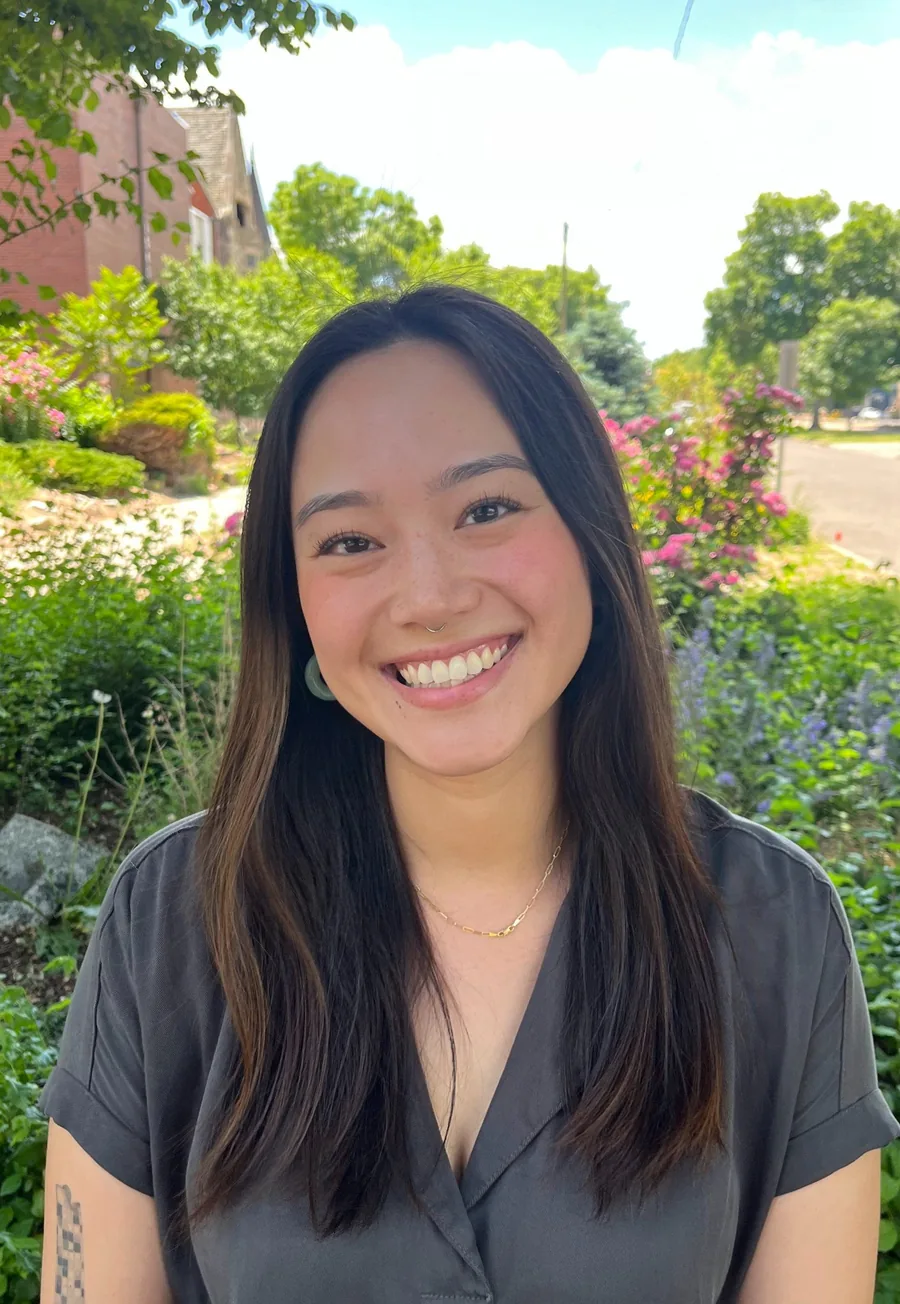
Marissa Song, LPCC
Counselor Candidate
Marissa brings a compassionate, client-centered, and relational approach to her clinical work, with a particular interest in supporting individuals through grief, identity-related challenges, anxiety, depression, and relationship conflict.
Read bio → -

Rachel Chan, BA
Doctoral Student Extern
She also has particular experience working with high-achieving individuals managing anxiety, perfectionism, and internalized pressure, as well as clients processing intergenerational and culturally rooted trauma.
Read bio →

Find the therapist who gets you
Schedule a free 15-minute phone consultation to see if we’re the right fit.
Schedule a Consultation