
Asian and BIPOC mental health · Denver and telehealth
Asian American & Bicultural Therapy in Denver
Finding a therapist who understands the nuances of your background can be a challenge. We specialize in supporting Asian and BIPOC individuals as they navigate issues like cultural identity, family expectations, and racial trauma.
How it often shows up
- Family of origin dynamics — conflicts with parents due to intercultural or intergenerational dynamics
- Perfectionism and pressure to achieve
- Imposter syndrome
- Emotional awareness — difficulties communicating or expressing oneself effectively
- Identity development
- Macro- and micro-aggressions
- Interracial dating
- Parenting or relationship struggles
- Cultural expectations vs personal values
These nuances can be hard to articulate—find a therapist who can relate and help you work through these struggles effectively.
Asian and BIPOC Mental Health
Asian Americans, in addition to Black, Indigenous, and people of color (BIPOC), are underrepresented in mental health care. For some, the whole idea of therapy (divulging personal problems to a stranger) runs countercultural to one’s upbringing. For others, one major barrier is being able to find a therapist with whom they feel comfortable. We provide a safe space for Asian and BIPOC individuals. Our practice has extensive experience serving first-gen, 1.5 gen, 2nd gen individuals as well as transracial adoptees and those with mixed racial identity.
Common questions
Do I need to be Asian American to work with you?
No. We work with adults of every background. This page is for people whose culture, family, or immigration story sits close to the center of what they are carrying, whether they are Asian, BIPOC, multiracial, or a transracial adoptee.
Will I have to explain my culture?
Some, and that is normal. What you won’t have to do is explain what it is like to live between cultures. Our clinicians are bicultural themselves and move between dominant and non-dominant cultures in their own lives, so the code-switching, the family expectations, and the unspoken rules are familiar ground. The particular nuances of your background may still be yours to teach us, and that is part of the work rather than a barrier to it.
What about racial trauma and microaggressions?
They are part of the work, not a side topic. Macro- and micro-aggressions, the weight of being the only one in the room, and the history a community carries all shape mental health, and we treat them that way. See our page on trauma and grief.
My family doesn’t believe in therapy.
Many of our clients are the first in their family to try it. What you share stays between you and your therapist, and you don’t need anyone’s permission to come. Some clients also choose private pay so that nothing about their care reaches an insurer. Details are on our fees page.
What does the work look like?
We start underneath the symptom. Together we look at the patterns you’ve carried from your past into your present, the stories you tell about yourself, and the cultural dynamics that shaped both. Then we gently untangle and reweave the parts of your identity and experience that have been frayed by pain, shame, or trauma, so what’s left is a stronger, more durable sense of who you are.
If family patterns are the heart of it, see our page on intergenerational trauma and family patterns. If you have tried therapy before and it stalled, read When Therapy Hits a Wall.
Who does this work
-
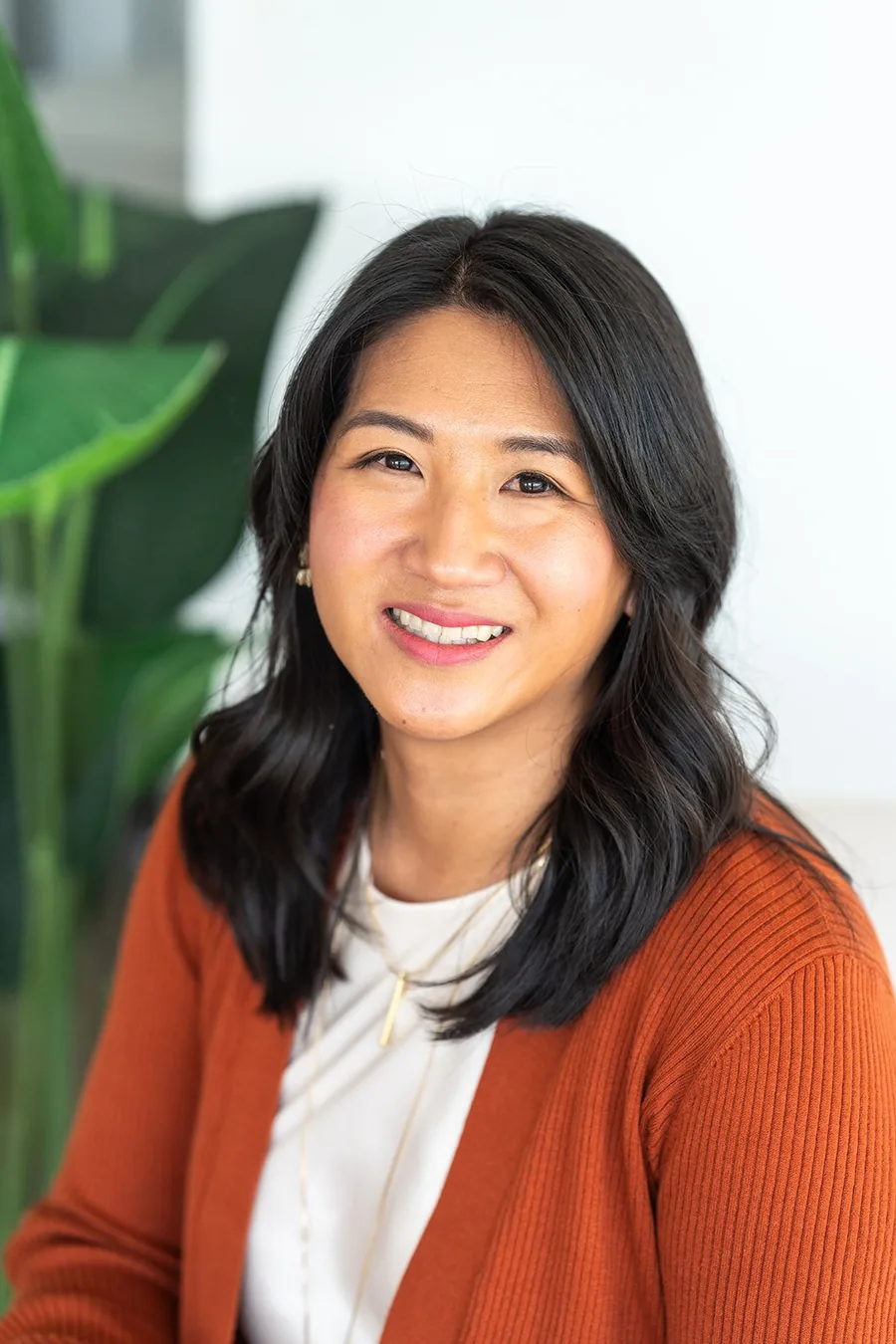
Amy King, PsyD
Founder + Psychologist
Dr. King is deeply passionate about supporting the mental health of Asian American communities. Her work spans a wide range of experiences, including those of first-generation, 1.5-generation, second-generation individuals, as well as transracial adoptees and multiracial clients.
Read bio → -
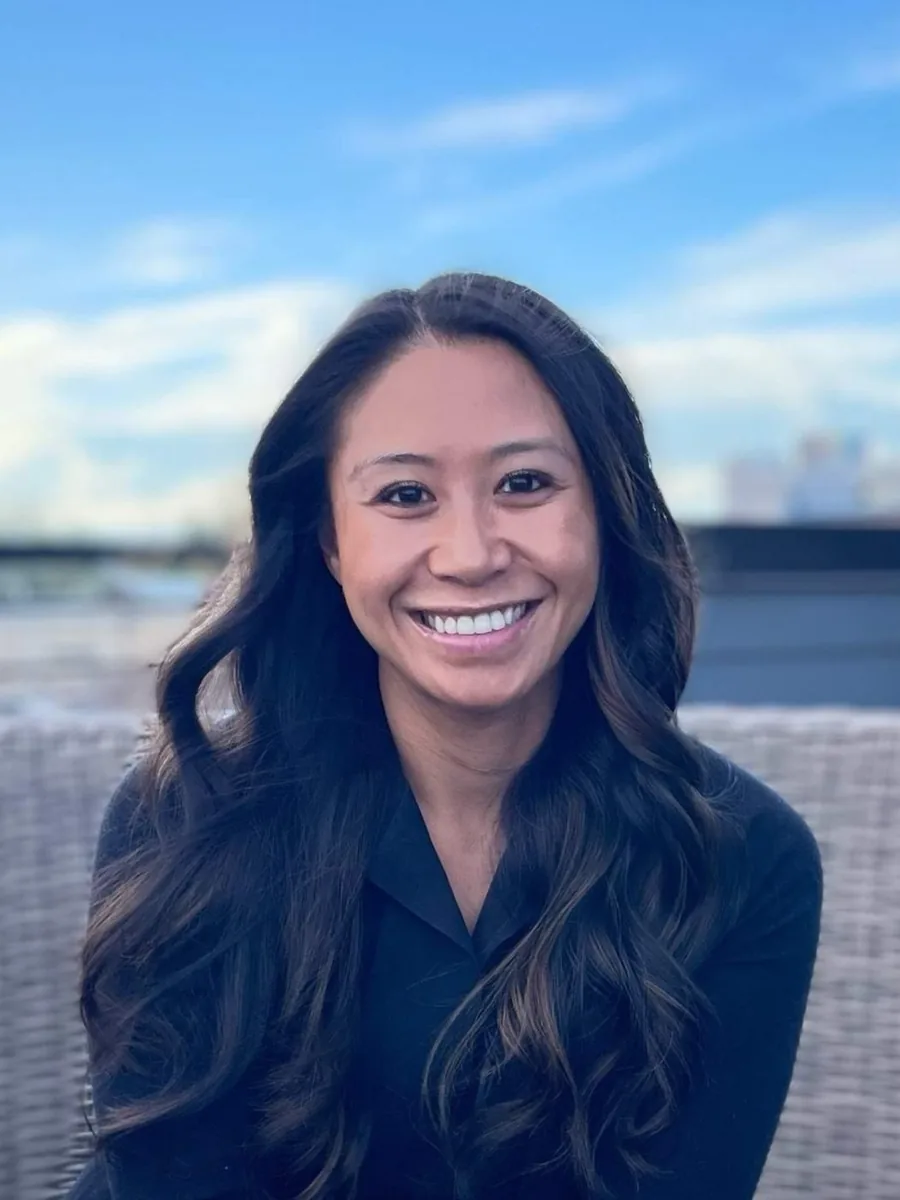
Elaine Cameron, PsyD
Psychologist
“As a second-generation Asian American, I bring both my lived experience and advanced clinical training to create a culturally attuned, compassionate space.”
Read bio → -
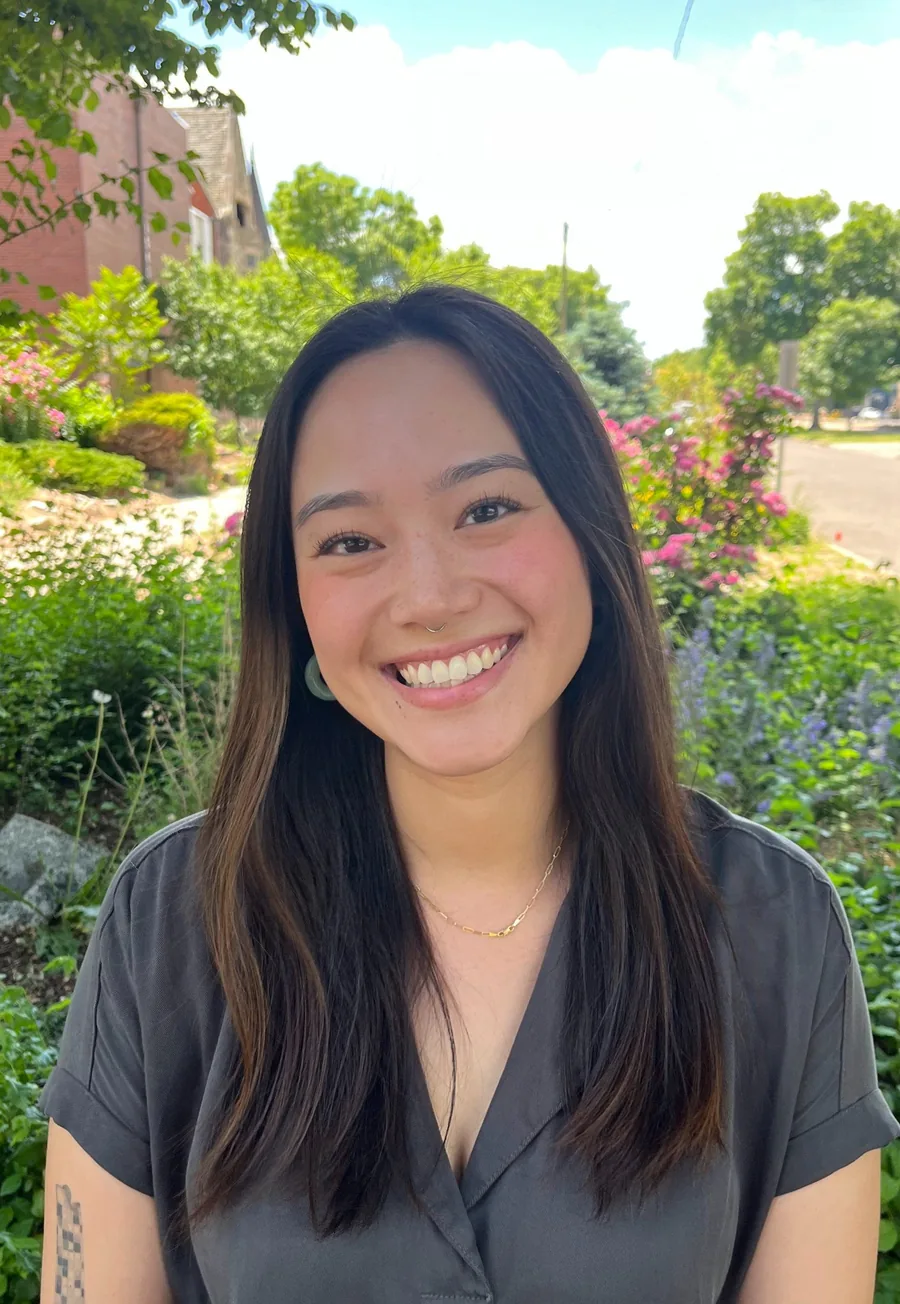
Marissa Song, LPCC
Counselor Candidate
With Korean, Japanese, and Scottish-American roots, her multicultural background gives her a personal understanding of the complexities of identity and belonging.
Read bio → -
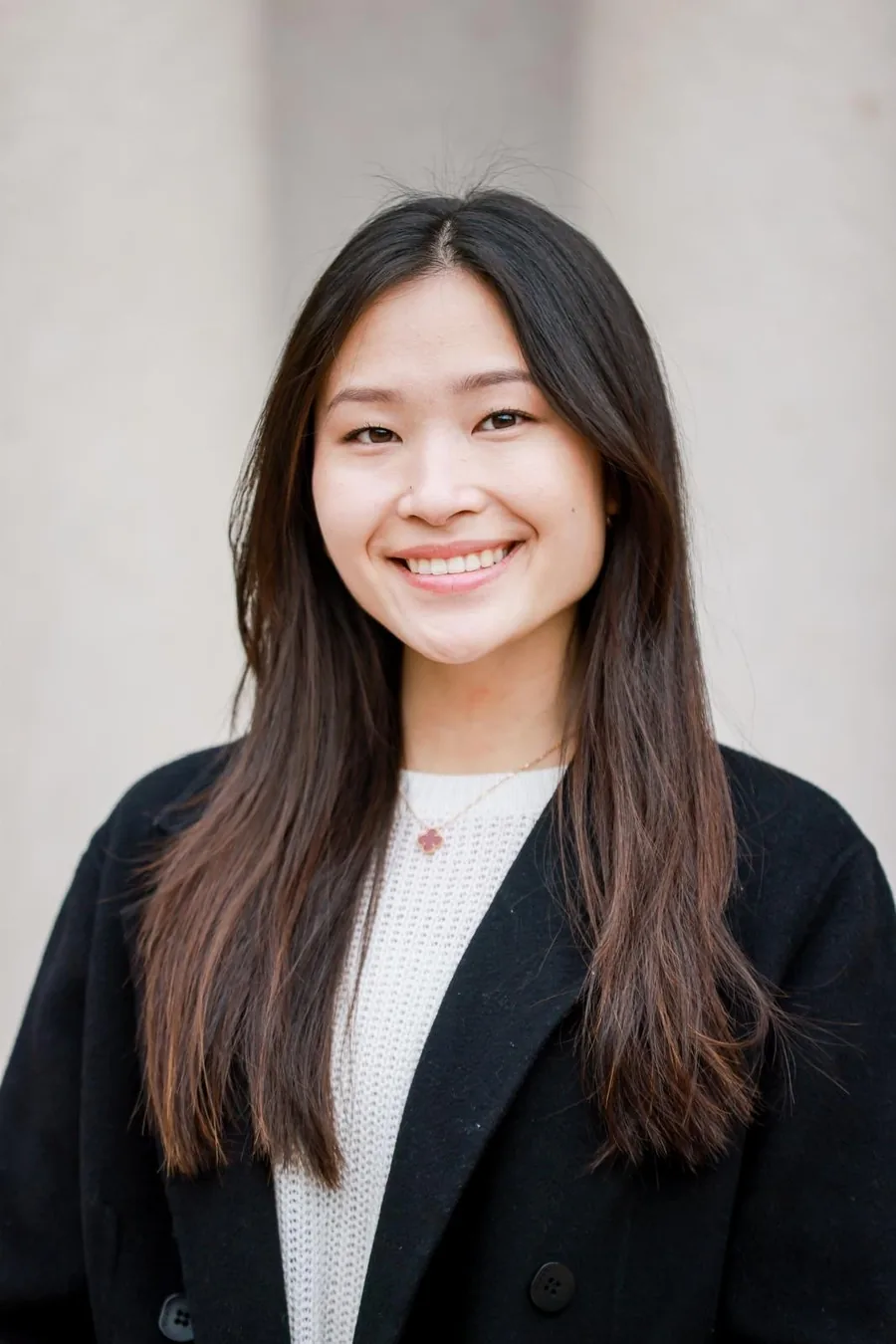
Rachel Chan, BA
Doctoral Student Extern
Rachel is a doctoral student clinician experienced in working with early to late adults, people of color, Asian communities, international populations, and clients from LGBTQIA+ communities.
Read bio →


Find the therapist who gets you
Schedule a free 15-minute phone consultation to see if we’re the right fit.
Schedule a Consultation