
A past that still shapes the present · Denver and telehealth
Trauma & Grief Therapy
Trauma, adverse childhood experiences, grief, and patterns handed down a generation before you. Some of it has a name and a date. Some of it is a thousand small things that no one would call trauma, and that shaped you anyway.
How it often shows up
- Reminders you avoid, and the effort it takes to keep avoiding them.
- Sleep that won’t settle, or nightmares that pick up where the day left off.
- Feeling on guard in rooms that are safe, and numb in rooms that matter.
- A childhood you describe as “fine” that still runs your relationships.
- Being the one who kept everyone else okay, and not knowing what you needed.
- A loss that everyone around you has moved past.
- Coping skills that got you through, and never quite reached the root.
If you are in crisis or thinking about harming yourself, call or text 988 (Suicide & Crisis Lifeline) or dial 911.
Trauma: Acute Stress Disorder or PTSD
Trauma is an emotional response to experiencing or witnessing distressing events, whether directly or indirectly, and it can deeply affect an individual’s emotional well-being. You might find yourself avoiding reminders of the event, experiencing unsettling flashbacks or nightmares, or dealing with concentration and memory challenges. Triggers, such as certain sights or sounds, can stir up distressing feelings.
Addressing trauma involves naturally occurring feelings of anxiety or fear, and that's completely understandable. Our approach is to gently explore how these experiences have affected you, within a therapeutic environment that feels safe and supportive. We understand the courage it takes to face these challenges. We'll use evidence based interventions to ensure you are empowered to move forward, helping you feel strong, secure, and free from the shadow of past events. What you've been through doesn’t have to define you.
Adverse Childhood Experiences
Adverse childhood experiences include abuse, neglect, and household dysfunction ranging from family members with substance abuse issues to experiences of chronic stress. Often we develop survival strategies in childhood that worked well during that period of life. For example, some people may develop “codependency” traits or become “people pleasers” because it allowed them to survive. As adults, however, these habits aren’t always so helpful, potentially leading to unhealthy relationship dynamics or a poor sense of self—we can help you with healing your past experiences.
Grief & Loss
Grief follows loss of any kind: the death of someone you love, the end of a relationship, a friendship that faded, a version of your life that didn’t happen. It moves in waves more than in stages, and it doesn’t keep to a schedule. Many people come to us months or years after a loss, when everyone around them assumes they should be finished.
For people who grew up between cultures, grief often has layers that don’t have a name. The loss of a homeland, or of the version of it your parents carried. The loss of a language you can no longer speak with your grandparents, or of a history no one wrote down. Grief inside a relationship that is still going: a parent you love and cannot talk to, because too much generation and culture sits between you. These losses are real, and they are rarely acknowledged, which makes them harder to carry.
We make room for all of it, including the mourning rituals, obligations, and silences your culture brings to loss, and the guilt that can come from grieving differently than your family expects. The goal isn’t to get over it. It is to carry it in a way that lets you keep living.
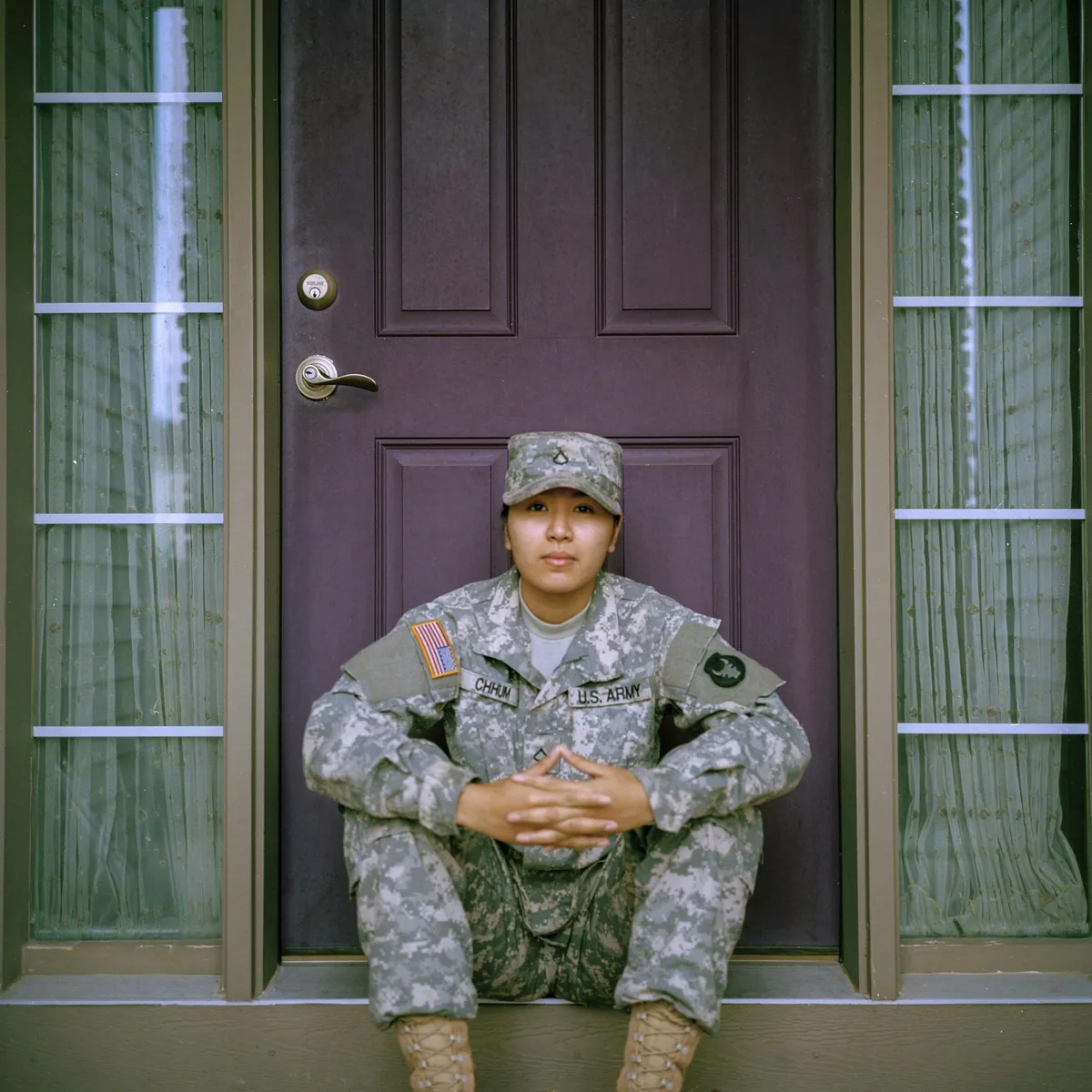
Military and Veterans’ Mental Health
Navigating mental health challenges as a service member or veteran involves unique experiences deeply tied to military culture. Finding a therapist who truly understands this culture—its values, language, and the specific stresses of military life—can make a crucial difference in healing. Themes such as loss of identity, moral injury, and the transition to civilian life often emerge in therapy and require specialized knowledge and sensitivity.
We also recognize the impact military life has on loved ones and families. Our clinicians are experienced in working with military and veteran family members and partners, offering support that honors their unique experiences. Together, we provide culturally informed care that builds trust, strengthens relationships, and addresses the complex emotional and psychological challenges faced by military communities.
Common questions
Is it trauma if nothing “big” happened?
It can be. Trauma isn’t defined by the size of the event but by what it did to you. A childhood of criticism, chronic stress, or having to manage a parent’s moods can shape a nervous system as surely as a single terrible day. Our post on “little t” traumas explains this in more depth.
Do I have to talk about what happened?
Not right away, and never in more detail than you are ready for. Early sessions are about safety, steadiness, and understanding how the past is showing up now. What to go into, and when, is decided together.
What approaches do you use?
Evidence-based trauma treatments, chosen for you rather than applied by default. Depending on the clinician and what fits, that includes Cognitive Processing Therapy (CPT) and Prolonged Exposure (PE), EMDR, cognitive and behavioral approaches, dialectical behavior therapy (DBT), and psychodynamic work on the patterns underneath.
Does culture matter here?
Deeply. Racial trauma, macro- and micro-aggressions, and the collective history a community carries are all part of the picture, and so is how your family and culture expect pain to be handled. We work with that context rather than around it. See our pages on Asian American and bicultural therapy and intergenerational trauma.
What does the work look like?
We start underneath the symptom. Together we look at the patterns you’ve carried from your past into your present, the stories you tell about yourself, and the cultural dynamics that shaped both. Then we gently untangle and reweave the parts of your identity and experience that have been frayed by pain, shame, or trauma, so what’s left is a stronger, more durable sense of who you are.
Who does this work
-

Amy King, PsyD
Founder + Psychologist
Her therapeutic approach is rooted in the belief that emotional distress often stems from deeper patterns tied to early attachment experiences, family dynamics, and even intergenerational wounds.
Read bio → -
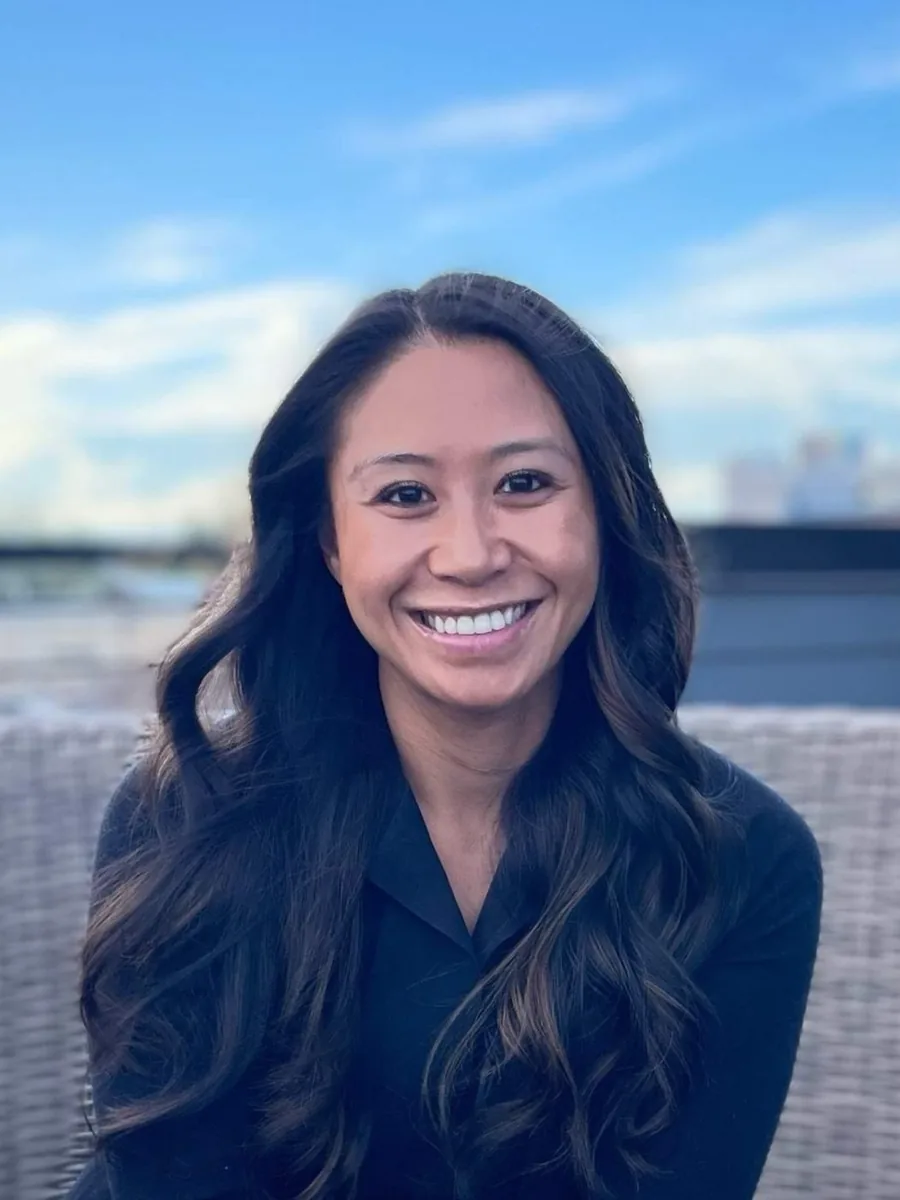
Elaine Cameron, PsyD
Psychologist
“With over a decade of specialized experience, I work with adults who feel ‘stuck’ after trauma, loss, or major life transitions.”
Read bio → -
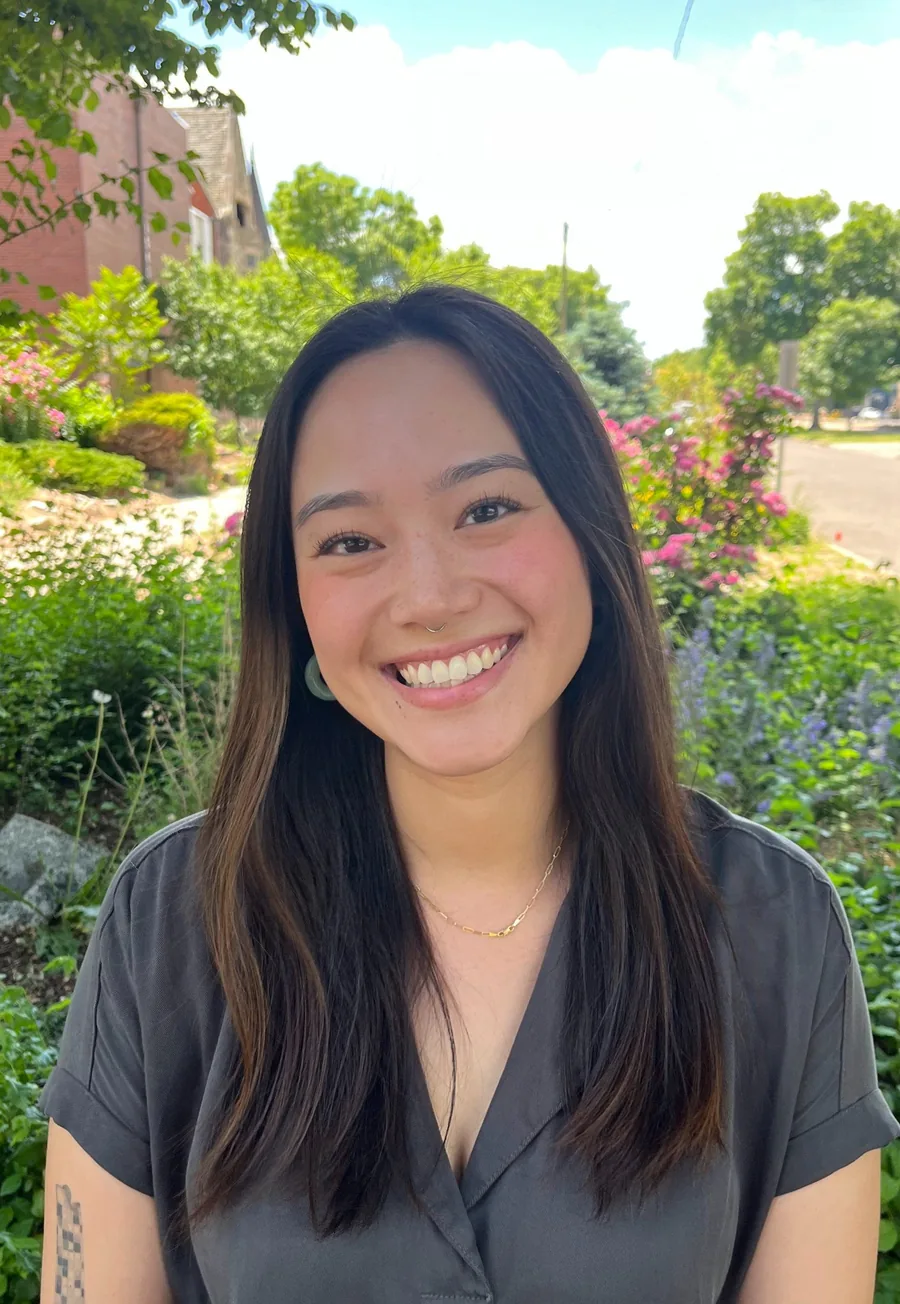
Marissa Song, LPCC
Counselor Candidate
She completed a clinical internship at Agape Healthcare Hospice & Palliative Care where she specialized in grief and loss, supporting loved ones of hospice patients as they navigated their unique grief experiences.
Read bio → -

Rachel Chan, BA
Doctoral Student Extern
Rachel is trained in Eye Movement Desensitization and Reprocessing (EMDR) and has supported clients across a range of cultural backgrounds, gender and sexual identity expressions, and trauma histories.
Read bio →


Find the therapist who gets you
Schedule a free 15-minute phone consultation to see if we’re the right fit.
Schedule a Consultation